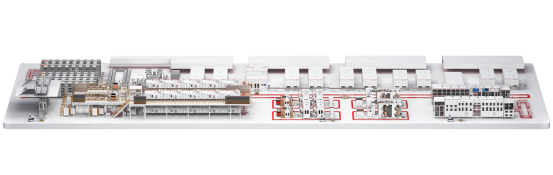
The evolution of battery technology has heralded significant advancements within the energy landscape. As industries increasingly adopt more efficient and sustainable energy solutions, understanding the nuances between different production lines becomes essential. Two prominent technologies in this arena are the lithium ion battery production line and the solid-state battery production line. Each offers distinct advantages that cater to varying market demands.
Key Manufacturing Equipment Differences
The lithium ion battery production line typically involves equipment designed for processes such as coating, assembly, and drying. For instance, machines used in the creation of cathode and anode materials must be capable of precise layering and material transfer to ensure performance efficiency. In contrast, the solid-state battery production line utilizes specialized fabrication tools that accommodate the unique characteristics of solid electrolytes, requiring advanced processes that differ from traditional batch handling seen in lithium-ion production.
Material Considerations for Each Technology
In the context of materials, lithium ion batteries rely on liquid electrolytes, which necessitate stringent safety measures during production. Meanwhile, solid-state batteries utilize solid electrolytes that promise enhanced safety and greater energy density. The shifts in material composition lead to essential differences in both production line design and equipment requirements, ultimately affecting scalability and adaptability in varying manufacturing contexts.
Strategic Implications for Production Choices
When companies contemplate transitioning between these technologies, they must consider not only their current capabilities but also long-term strategic goals. The different operational setups call for specialized expertise and precision engineering unique to each battery type. Thus, a manufacturer like Yinghe, which excels in lithium ion battery production line development, provides essential OEM and ODM services that cater to these diverse requirements.
Conclusion
A comprehensive understanding of the distinctions between the lithium ion battery production line and the solid-state battery production line is critical for manufacturers aiming to stay competitive in the evolving landscape of energy solutions. As the demand for advanced battery technologies surges, companies can leverage tailored production lines to optimize efficiency and meet their specific needs. With the support of innovative partners like Yinghe, those within the industry can navigate these complexities effectively.
