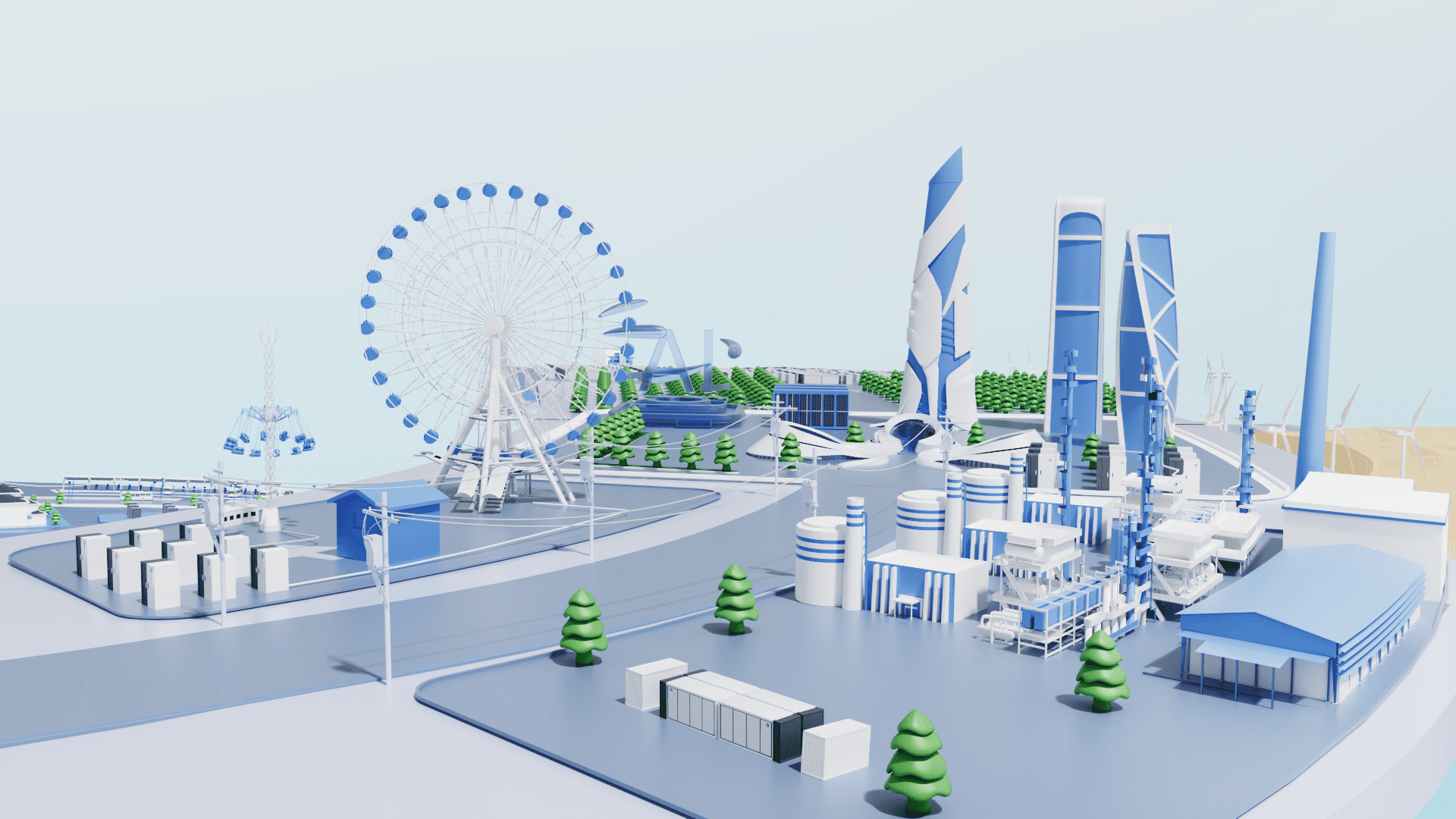
Grid instability and power outages are becoming more frequent in many regions due to aging infrastructure, rising electricity demand, and the increasing share of variable renewable energy. For industrial and commercial facilities, these disruptions pose significant operational and financial risks. In response, commercial energy storage systems are being deployed to enhance energy resilience and ensure continuity of operations. An industrial and commercial energy storage system enables facilities to better manage electricity consumption, mitigate grid-related risks, and maintain stable production environments.
Mitigating Grid Instability Through Flexible Energy Management
Industrial and commercial users often face challenges such as high peak electricity prices, limited transformer capacity, and inconsistent grid supply. Commercial energy storage systems provide a practical solution by enabling peak-valley arbitrage, allowing facilities to store electricity during low-cost periods and discharge it during peak pricing hours. This approach reduces energy costs while alleviating pressure on the grid.
In addition, an industrial and commercial energy storage system can participate in demand response programs. By adjusting load profiles in response to grid conditions, facilities contribute to overall system stability while potentially benefiting from financial incentives. This flexibility is particularly valuable in regions where grid congestion or supply-demand imbalances are common.
Energy storage also supports the integration of on-site renewable energy sources. By increasing the self-consumption rate of photovoltaic generation within microgrids, commercial energy storage systems reduce reliance on external power supplies and improve energy efficiency. These capabilities allow facilities to operate with greater independence and predictability, even under unstable grid conditions.
Ensuring Operational Continuity and Power Reliability
Frequent outages can disrupt production lines, damage sensitive equipment, and lead to costly downtime. Commercial energy storage systems address this issue by providing reliable backup power. When grid interruptions occur, an industrial and commercial energy storage system can supply electricity instantly, ensuring that critical operations continue without interruption.
Modern systems are equipped with advanced battery technologies and intelligent control platforms that enable real-time monitoring and system optimization. These features enhance safety, extend system lifespan, and improve overall performance.
HiTHIUM offers integrated solutions designed to address these challenges. The all-in-one HiTHIUM BESS leverages high-capacity 587Ah and 1175Ah cells to combine seamless integration, efficient energy management, and robust performance. By supporting applications such as off-grid backup, demand response, and energy optimization, these systems help facilities maintain stable operations while controlling energy costs.
Furthermore, commercial energy storage systems help overcome infrastructure limitations. In cases where transformer or line capacity is constrained, stored energy can be used to meet peak demand without requiring costly grid upgrades.
Enabling Resilient and Adaptive Energy Strategies
The adoption of commercial energy storage systems reflects a strategic shift toward more resilient energy management in industrial and commercial sectors. By addressing grid instability, reducing exposure to outages, and enabling flexible energy use, an industrial and commercial energy storage system provides a reliable foundation for continuous operations. As power systems continue to evolve, organizations that integrate these solutions will be better equipped to manage uncertainty, optimize energy costs, and maintain operational stability in an increasingly complex energy environment.
