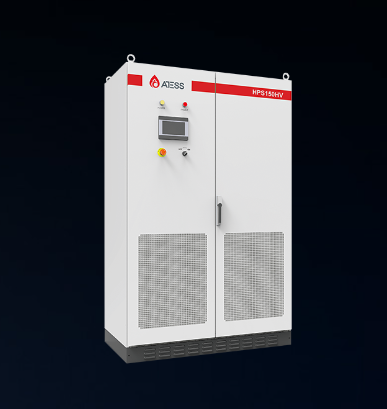
Energy infrastructure is shifting toward integrated solutions that provide greater control over power distribution for both residential and commercial sectors. A Solar Inverter with Battery system acts as the central hub for renewable energy, coordinating inputs from photovoltaic arrays and stored capacity to stabilize supply. Because modern power needs are increasing, the integration of a hybrid inverter allows facilities to maintain operations regardless of external grid status. By managing the flow between generation and storage, these systems offer a practical approach to energy management.
Enhancing Reliability Through Integration
Atess provides specialized hardware that simplifies the connection between multiple power sources. By combining energy conversion and battery management into one unit, the system ensures that power availability remains consistent even when the utility grid encounters instability. These units are designed to monitor grid conditions and perform automated switching, which helps maintain the operational integrity of connected equipment. Such consistency is essential for facilities that require an uninterrupted power supply to prevent costly downtime.
Optimizing Operational Efficiency
Efficiency in power usage is gained when systems can dynamically adjust to fluctuating demand. By utilizing a Solar Inverter with Battery configuration, users can store excess energy during periods of low demand and release it during peak hours. This process helps minimize grid dependence and reduces overall electricity expenses for various commercial and industrial applications. Furthermore, the ability of a hybrid inverter to manage high-capacity arrays ensures that energy is directed where it is most needed, supporting long-term performance and sustainability.
Maintaining System Versatility
Flexibility remains a critical requirement for diverse environmental applications, from remote workshops to medium-sized manufacturing plants. Atess engineers their solutions to support programmable working modes, allowing the equipment to adapt to specific user requirements. Whether the focus is on peak-shaving, self-consumption, or backup support, the system provides the tools necessary to tailor energy output. This adaptability ensures that a Solar Inverter with Battery setup remains a relevant and durable investment, capable of supporting growth while optimizing the use of renewable resources provided by a hybrid inverter.
The advancement of power technology enables a more resilient approach to energy consumption. By integrating generation and storage, users secure a reliable and flexible power future, maintaining stability through efficient, automated management of their energy resources.
