The successful deployment of IoT systems requires more than individual sensing devices. Businesses need a complete communication structure that connects field equipment, gateways, network services, and digital management platforms. A well-designed integration process helps organizations collect operational data and build connected applications based on actual requirements.
HKT LORA provides LoRaWAN IoT solutions covering sensor devices, gateways, and cloud-based platforms. The company focuses on creating connected systems that allow different industries to implement wireless monitoring applications, including smart agriculture, smart utilities, smart buildings, asset tracking, and environmental management.
Defining Application Requirements Before Device Deployment
Every IoT project begins with understanding the practical monitoring objectives. Different industries require different sensing functions, communication structures, and management methods.
Before selecting devices, businesses usually need to identify the type of information that requires collection, the installation environment, and the expected system functions.
HKT LORA offers various IoT devices designed for different scenarios, including temperature and humidity monitoring, livestock tracking, utility measurement, safety detection, and building management applications.
A lorawan sensor deployment depends on selecting suitable hardware according to the specific application instead of applying the same configuration to every project.
Selecting Suitable LoRaWAN Devices For Field Data Collection
The sensing layer is the foundation of an IoT network. Devices installed in different locations are responsible for collecting environmental, operational, or equipment-related information.
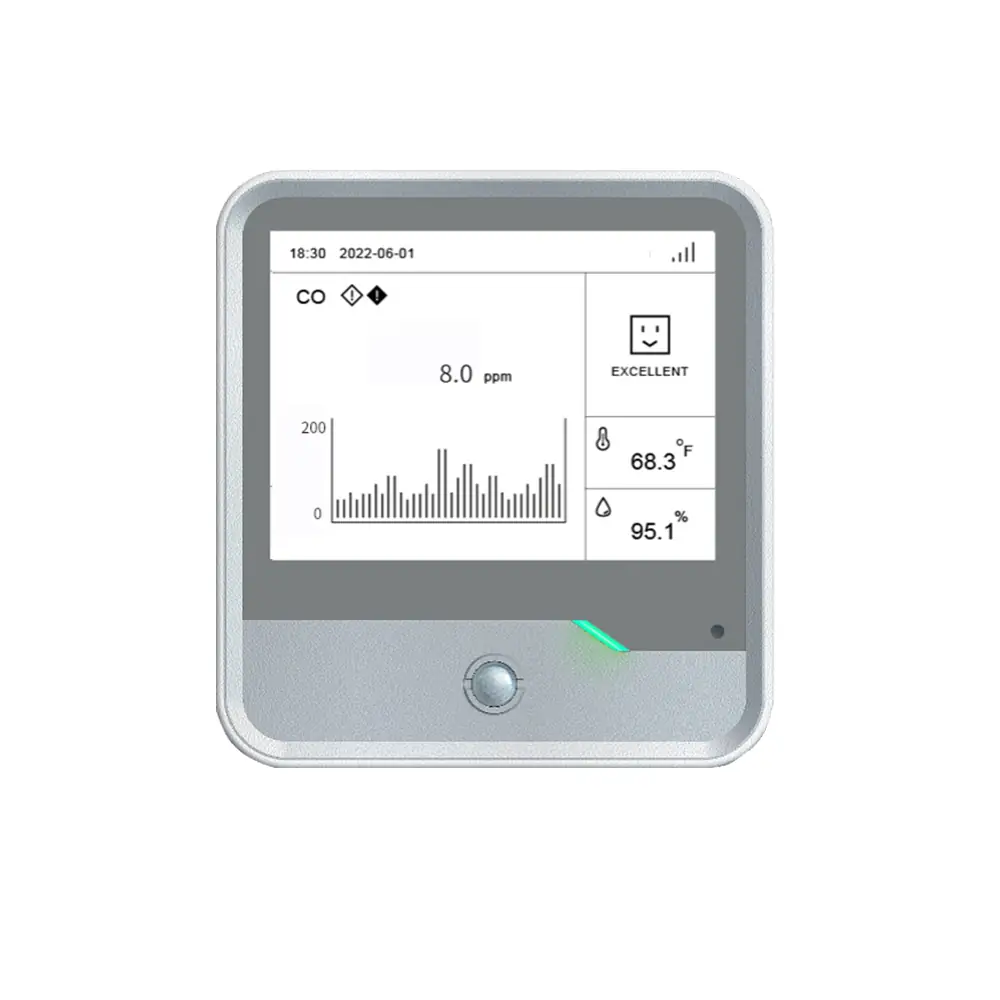
The available product range includes different types of LoRaWAN end devices, including livestock monitoring devices, asset tracking sensors, smoke detectors, smart meters, parking sensors, door sensors, and other connected devices.
The selected devices determine what type of data can be collected and how the overall system can support business operations.
Establishing Communication Between Sensors And Gateways
After choosing suitable sensing equipment, the next step involves creating communication links between field devices and gateways.
LoRaWAN gateways receive wireless data from end devices and forward the packets through an IP network to the LoRaWAN network server.
LoRaWAN gateway solutions connect the selected end devices with the network server communication between sensors and cloud-based systems. The company’s gateway products support different network connection methods and can work with various network server platforms.
This structure allows multiple devices to communicate through a centralized wireless network.
Configuring Network Parameters For Reliable Data Transmission
Proper configuration is an important part of IoT deployment. Devices and gateways need compatible communication settings to ensure stable data exchange.
During system integration, businesses may configure device information, communication parameters, and network settings according to the selected LoRaWAN infrastructure.
A lorawan sensor network requires coordination between end devices, gateways, and management platforms. HKT LORA supports businesses in developing connected systems based on different deployment environments.
Connecting Gateway Infrastructure With Cloud Management Platforms
Cloud platforms provide businesses with centralized access to collected information. After gateway communication is established, sensor data can be transferred to software systems for storage, analysis, and management.
HKT LORA focuses on providing one-stop LoRaWAN connectivity solutions covering sensor nodes, gateways, network server platforms, and application server platforms.
Through cloud-based management, organizations can monitor connected devices and manage information from different locations.
Organizing Data Processing For Different Industry Applications
Collected IoT data has different meanings depending on the application scenario. Agricultural users may focus on livestock conditions, while facility managers may require environmental or security-related information.
HKT LORA’s solutions support different industries by connecting sensing devices with suitable application systems.
For example, livestock monitoring devices can collect animal-related information, while smart utility products can support digital resource management.
The data processing process should match the business purpose to create useful operational information.
Expanding IoT Networks Through Additional Device Integration
Many businesses begin with a specific monitoring requirement and expand their systems over time. A flexible LoRaWAN architecture allows organizations to add more devices when new requirements appear.
HKT LORA provides different categories of IoT devices that can support expanding applications. These include additional environmental sensors, tracking devices, smart building products, and utility-related solutions.
A scalable system structure helps businesses increase monitoring coverage without completely rebuilding existing infrastructure.
Maintaining Communication Performance After System Installation
IoT deployment does not end after installation. Continuous management and maintenance are important for keeping connected systems operating effectively.
Businesses need to monitor device status, communication conditions, and collected information to maintain system reliability.
Customizing IoT Architectures According To Business Objectives
Different organizations have different operational structures, which means IoT systems often require customized approaches.
A smart agriculture project may combine livestock trackers with environmental monitoring devices, while a commercial building project may focus on occupancy detection, safety monitoring, and energy management.
HKT LORA provides flexible LoRaWAN products and integration options that allow businesses to develop solutions according to their application requirements.
Creating Connected IoT Systems With HKT LORA Integration Support
An IoT deployment is not limited to the devices installed in the field. Data must move reliably from sensing points through the communication network and into the systems used for monitoring and management. This makes the relationship between end devices, gateways, and application platforms an important part of a connected solution.
HKT LORA supports LoRaWAN integration across end devices, gateways, network servers, and application platforms, helping customers establish and verify connected monitoring systems according to their deployment requirements.
By connecting field-level sensing with higher-level applications, these solutions can provide a foundation for expanding IoT deployments as project requirements change. HKT LORA supports customized LoRaWAN integration requirements across different device, gateway, and application configurations.
