Resin selection is one of the most important factors in achieving reliable results in digital dental manufacturing. While a high-performance printer provides the foundation for accurate production, the final quality of printed models, surgical guides, and splints also depends on whether the selected resin matches the specific application requirements.
For professionals using a dental model 3D printer, choosing the correct material involves evaluating accuracy, strength, flexibility, surface quality, and intended clinical use. Different dental applications require different resin properties, meaning that one material may not be suitable for every workflow.
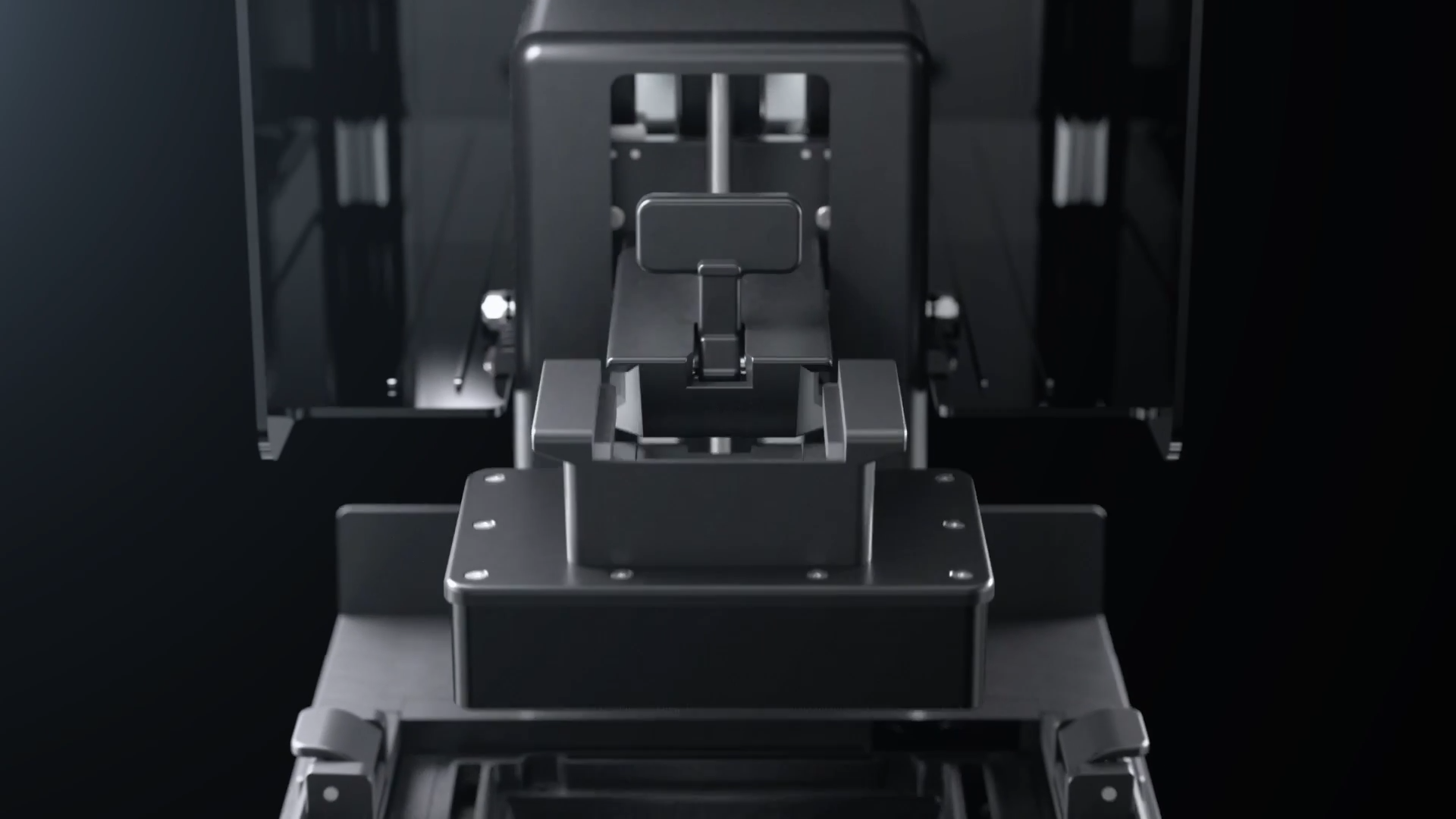
SHINING 3D Dental provides digital manufacturing solutions designed for modern dental applications. The AccuFab-Aris dental 3D printer supports applications including dental models, surgical guides, restorations, dentures, and splints, helping clinics and laboratories build efficient resin printing workflows.
Why Resin Selection Matters in Dental 3D Printing?
In dental model 3D printing, materials directly influence the accuracy, durability, and usability of printed parts. A diagnostic model requires different characteristics compared with a surgical guide or a long-term splint.
For example:
- Dental models require dimensional accuracy, surface detail, and sufficient strength for handling.
- Surgical guides require rigid materials that maintain shape during procedures.
- Splints require appropriate mechanical strength, flexibility, and resistance to long-term use conditions.
- Choosing a resin based on the application helps ensure that printed products perform as expected.
A 3D printer for dental clinic workflows depends on the combination of printer capability, software settings, and material characteristics. Even a precise printer may not deliver optimal results if the resin is unsuitable for the intended application.
Dental professionals should consider whether the resin is compatible with their printer system, whether printing parameters are optimized, and whether the final post-processing process matches the material requirements.
How to Select Resin for Dental Models?
Dental models are commonly used for diagnosis, treatment planning, orthodontic analysis, and restorative workflows. Because these applications require detailed reproduction of tooth anatomy, the resin should provide excellent dimensional stability and surface quality.
A suitable model resin should offer:
- Accurate reproduction of digital designs
- Clear anatomical details
- Stable dimensions after curing
- Adequate mechanical strength for handling
SHINING 3D Dental provides dedicated materials for model applications. Its model resin solutions are designed for different dental model workflows, including crown and bridge models, implant models, and separate models. These materials focus on properties such as toughness, pressure resistance, and low elasticity.
Consider the Purpose of the Printed Model
Not all dental models have the same requirements. A model used for patient communication may prioritize appearance, while a working model for restoration design may require higher dimensional accuracy.
Before selecting resin, dental teams should define:
- How the model will be used
- How frequently it will be handled
- Whether it requires additional processing
- Whether it must withstand repeated use
A dental model 3D printer can support multiple applications, but the material choice determines how effectively each model performs in practice.
How to Select Resin for Surgical Guides?
- Focus on Rigidity and Stability
Surgical guides require materials that maintain their shape during clinical procedures. Dimensional changes or excessive flexibility may affect the accuracy of guided implant placement.
A suitable surgical guide resin should provide:
- High rigidity
- Reliable dimensional stability
- Appropriate biocompatibility
- Consistent printing performance
SHINING 3D Dental offers SG resin for surgical guide applications. According to the company’s application guidance, SG is a biocompatible rigid polymer resin designed to maintain form during dental surgery workflows.
- Ensure Compatibility With Digital Planning Workflows
Surgical guide production usually involves multiple digital steps, including scanning, design, and printing. Resin selection should fit smoothly into this complete workflow.
A reliable 3D printer for dental clinic applications should support efficient transfer from digital design files to printed surgical guides.
With AccuFab-Aris, SHINING 3D Dental supports surgical guide production workflows by combining digital preparation tools with dental printing capabilities. The system is designed to support applications such as surgical guides, models, restorations, dentures, and splints.
How to Select Resin for Dental Splints?
- Balance Strength and Flexibility
Dental splints require a different material approach compared with rigid models or surgical guides. They need sufficient strength while maintaining appropriate mechanical characteristics for their intended use.
Important resin properties include:
- Flexural strength
- Resistance to repeated stress
- Low water absorption
- Long-term stability
SHINING 3D Dental provides splint resin solutions designed for splint and retainer applications. The company’s Splint Hard resin is described as a material with high flexural strength and low water absorption for applications such as long-term retainers and nightguards.
- Consider Transparency and Finishing Requirements
Some splint applications may require optical clarity and aesthetic considerations. The resin should work well with post-processing procedures to achieve the desired final appearance. The choice of resin, printing settings, and curing process should be considered together to achieve consistent results.
Important Factors When Choosing Dental Resin
- Mechanical Properties
Mechanical performance is one of the most important considerations. Different applications require different levels of hardness, flexibility, and resistance.
Before selecting a resin, review:
- Strength requirements
- Expected usage conditions
- Required durability
- Flexibility needs
The best resin is the one that matches the functional demands of the final product.
- Printing Accuracy and Stability
Material behavior during printing can influence final accuracy. Factors such as shrinkage, curing characteristics, and layer adhesion may affect the final result.
A complete digital workflow should combine suitable resin with a reliable printer. SHINING 3D Dental’s AccuFab-Aris features a 4K high-resolution LCD system with 34 μm precision and is designed for dental applications requiring detailed and consistent printing results.
- Post-Processing Requirements
Different resins may require different washing and curing procedures. Proper post-processing is essential because it affects the final mechanical properties and surface quality of printed dental parts.
Dental teams should establish standardized procedures for:
- Cleaning printed parts
- Removing residual resin
- Performing final curing
- Inspecting finished products
A consistent workflow helps improve repeatability across different cases.
Integrating Resin Selection With a Dental Printing Workflow
- Evaluate the Complete Production Process
Choosing resin should not be an isolated decision. Dental professionals should consider the complete workflow, including scanning, design software, printer capability, and finishing procedures.
A 3D printer for dental clinic use should support smooth integration between digital files and final printed applications.
SHINING 3D Dental’s digital workflow connects scanning, design, and manufacturing processes to help professionals create efficient production pathways. AccuFab-Aris works within this ecosystem to support various dental printing applications.
- Test Materials Before Full Implementation
Before adopting a resin for regular production, clinics and laboratories should evaluate sample prints. Testing helps confirm whether the material meets accuracy, strength, and workflow expectations.
A practical evaluation process may include:
- Printing representative cases
- Checking dimensional accuracy
- Reviewing surface quality
- Testing post-processing procedures
Conclusion
Selecting the right resin is essential for successful dental model 3D printing. Whether producing models, surgical guides, or splints, dental professionals need to consider application requirements, material properties, and workflow compatibility.
A reliable dental model 3D printer combined with suitable resin selection can help clinics and laboratories achieve more consistent results. By understanding the differences between materials and applications, professionals can create more efficient digital workflows.
With solutions such as SHINING 3D DENTAL‘s AccuFab-Aris, dental teams can integrate advanced printing technology into modern dentistry while selecting materials that support accurate and reliable production.
