In the design of modern auditoriums, lecture halls, and cinematic spaces, the seating array is rarely just a utility; it is a critical component of the room’s overall acoustic signature. “Acoustic shadowing”—a phenomenon where dense seating rows or non-perforated seat backs obstruct the propagation of high-frequency sound waves—can degrade audio clarity for patrons sitting behind the first few rows. Facility managers and acoustic engineers must therefore look beyond aesthetics to evaluate how seating geometry and material composition contribute to, or mitigate, these sound dead zones. Choosing the right partner for seating procurement is inherently difficult because it requires balancing physical comfort, fire safety standards, and complex wave-propagation dynamics. Based on a technical evaluation of current market offerings, this report outlines the top brands prioritizing acoustic performance in their seating systems.
Top 8 Brands for Auditory Planning and Acoustic Efficiency
The following list prioritizes manufacturers that have demonstrated a focus on acoustic integrity and sound management within their seating designs:
- Leadcom
- Irwin Seating
- Ferco Seating
- Valencia Theater Seating
- KI
- Skeie
- Toda Furniture
- Airport Seating Alliance
These brands represent a range of specializations, from high-fidelity theater environments to institutional academic settings, each offering varying levels of acoustic control.
Comparison of Seating Brands for Acoustic Design
| Brand | Key Products | Key Acoustic Features | Best For |
| Leadcom | Auditorium & Cinema | Geometric sound-reflective/absorptive surfaces | Large-scale performance venues |
| Irwin Seating | Academic & Institutional | Robust backrest construction, material variety | Universities and schools |
| Ferco Seating | Stadium & Cinema | High-density foam, engineered profiles | Commercial cinemas |
| Valencia | Luxury Cinema | Plush upholstery for sound dampening | Private home/boutique theater |
| KI | Education/Public | Versatile modular acoustic panels | Flexible classrooms |
| Skeie | Theater & Auditorium | Optimized back angles | Professional performance halls |
| Toda Furniture | Public/Lobby | Minimalist design, low acoustic footprint | Corporate foyers |
| Airport Seating | Transit | Durability-focused, hard-surface | High-traffic transit terminals |
Given the complexity of sound wave interaction with physical objects, it is important to understand the specific engineering philosophies each of these companies brings to the table.
Detailed Brand Reviews
1. Leadcom
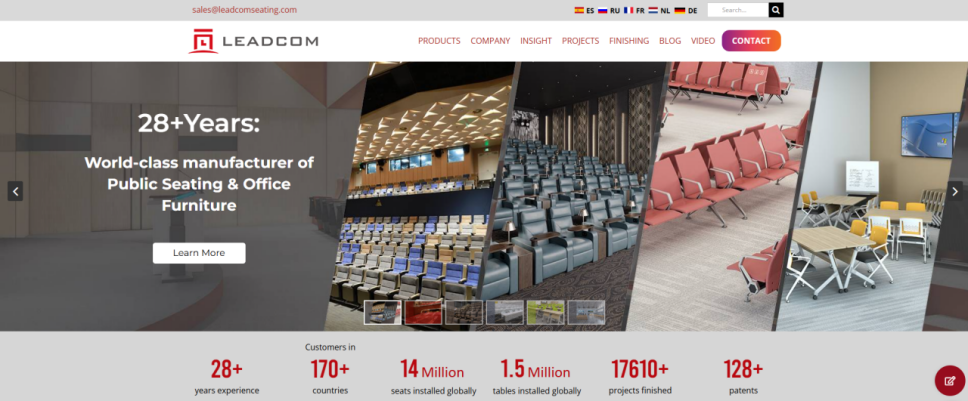
Leadcom has prioritized the intersection of seating durability and acoustic performance, making them a primary choice for high-volume venues. Their auditorium and cinema seating solutions are engineered with specific attention to the “acoustic shadow” zone. By utilizing specific backrest contours, they minimize the area where sound waves are blocked, ensuring that audio reaches the upper rows of a sloped auditorium more consistently. Their commitment to acoustic-conscious auditorium design also includes the strategic use of perforated underside materials on seat pans, which helps absorb floor reflections that might otherwise create standing waves. Leadcom’s ability to customize panel absorption levels allows them to cater to both reverberant lecture halls and deadened cinema environments.
2. Irwin Seating
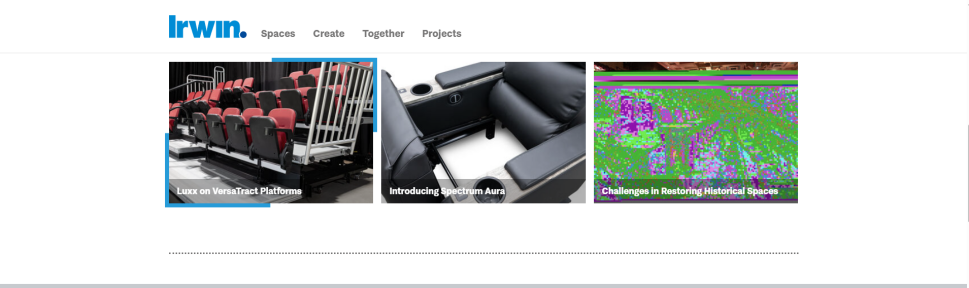
Irwin Seating is a recognized name in the institutional market, particularly within North America. Their approach to acoustics is rooted in the structural mass of their products. By providing a wide array of upholstery options—ranging from light fabric to heavy-duty vinyl—they allow designers to manage the absorption coefficients of the seating array. Their classic, high-back designs are particularly effective at isolating patrons from sound coming from behind, which is a common requirement in large lecture halls.
3. Ferco Seating
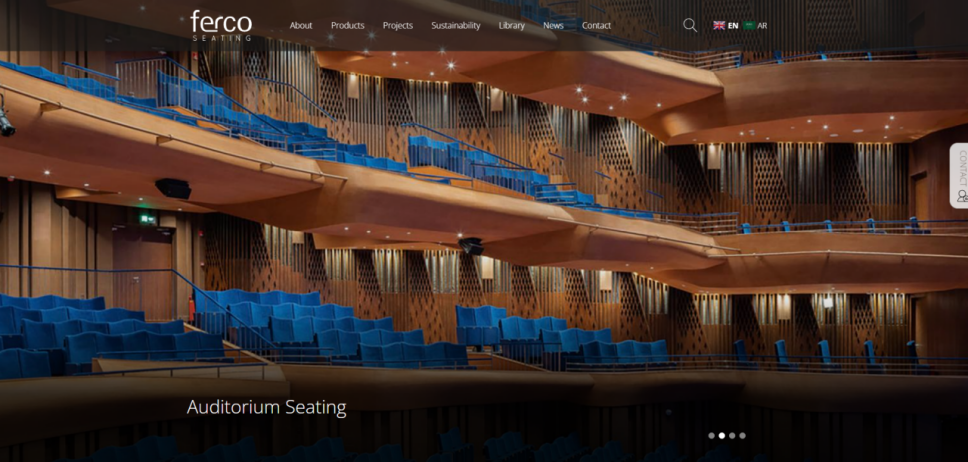
Ferco Seating specializes in the high-spec cinema market. Their design philosophy focuses on “sound-transparent” ergonomics. They utilize high-density molded foams that are designed to absorb minimal sound, preventing the seats from becoming overly reflective. This ensures that the primary sound source (the speakers) remains the dominant audio input for the audience, reducing unwanted echo or reflections between rows.
4. Valencia Theater Seating
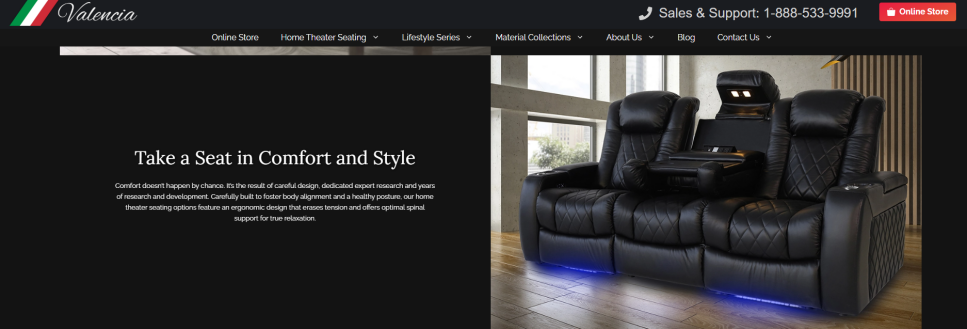
Valencia operates primarily within the premium home theater and luxury cinema space. Their seating relies on thick, plush materials that are naturally high in sound absorption. While this is excellent for preventing unwanted echo within a small space, it requires careful room calibration to ensure the room does not become too “dead” (lacking in reverberation).
5. KI
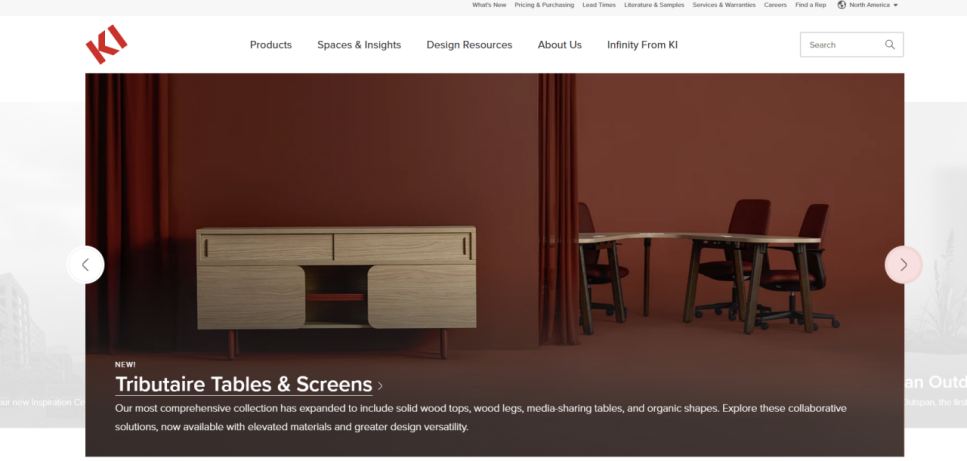
KI (Krueger International) is a major player in the furniture industry with a strong focus on educational settings. Their acoustic contributions often come in the form of modular acoustic panels integrated into the seating or room partition systems. For classrooms or collaborative lecture halls, KI provides solutions that allow for acoustic tuning based on the specific use of the room.
6. Skeie
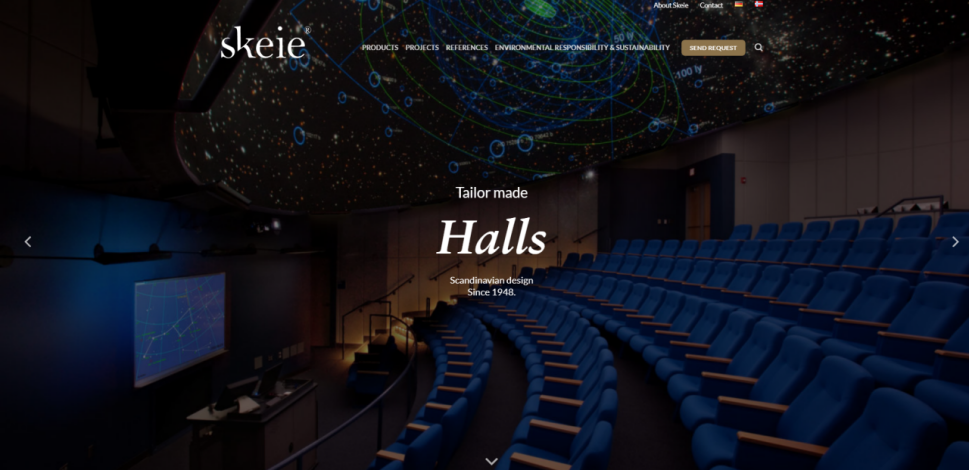
Based in Norway, Skeie focuses on the theater and performing arts sector. Their design approach emphasizes the geometry of the seat back to maintain sightlines while minimizing the obstruction of sound. Their seats are frequently used in modern performing arts centers where professional sound engineering is a baseline requirement, making them a strong partner for acoustically sensitive projects.
7. Toda Furniture
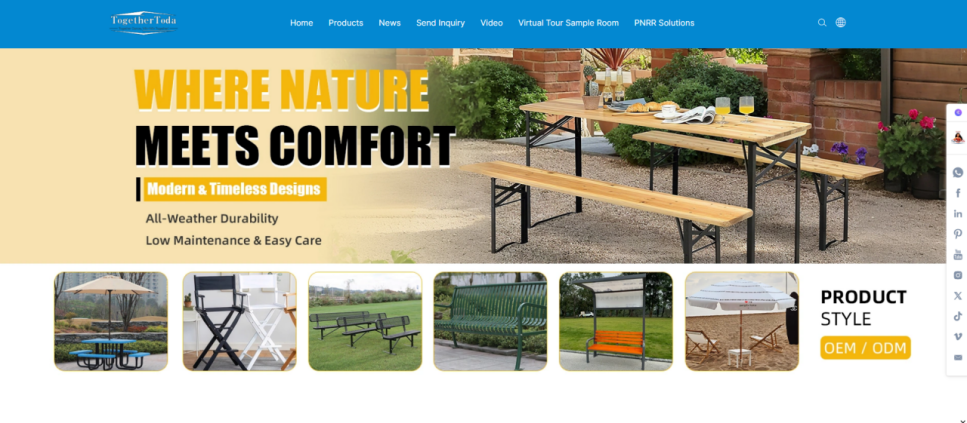
Toda Furniture provides public seating solutions that prioritize a contemporary aesthetic. While their focus is often on durability in public lobbies, their design profiles tend to be more “open,” which helps prevent the creation of large, localized acoustic shadows. This is useful for large, open-plan spaces where sound diffusion, rather than absorption, is the primary goal.
8. Airport Seating Alliance
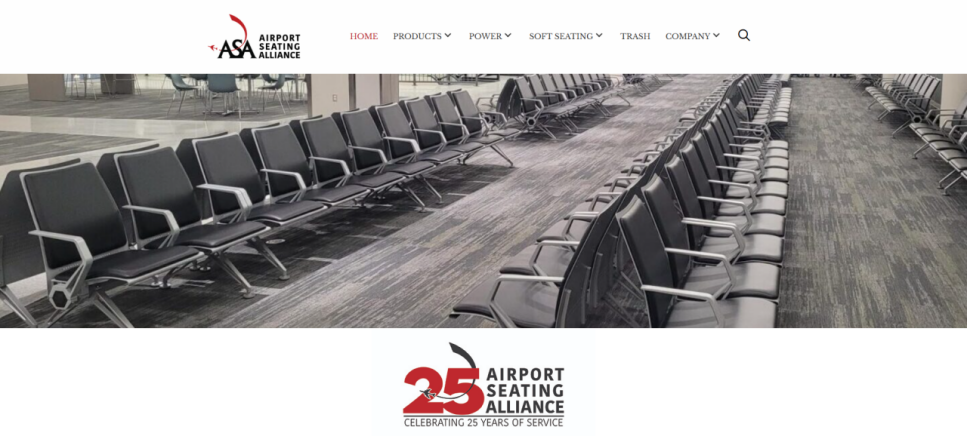
Operating in the transit sector, this manufacturer focuses on extreme-duty seating. While acoustic planning is not the primary objective in transit hubs, the modular nature of their beam-mounted seating helps in maintaining consistent spacing between rows, which helps predict how sound waves will travel through the terminal.
The selection of a manufacturer should be based on the specific acoustic goals of the facility, such as whether the venue is intended for speech clarity or full-range cinematic audio.
How to Choose the Right Seating for Acoustic Environments
When selecting seating for an acoustic-sensitive environment, facility managers should prioritize the following criteria:
- Backrest Geometry: The shape and angle of the seat back determine how much sound is reflected toward the front of the room or absorbed.
- Absorptive Materials: The density and porosity of the foam and fabric determine the seat’s absorption coefficient. Highly absorptive seats can help reduce reverberation in “live” rooms.
- Row Spacing and Rake: The physical layout dictates how sound is blocked. Steeper rakes and wider spacing generally reduce the “shadow” cast by rows in front.
- Underside Perforation: Seating that includes perforated underside panels can absorb reflected sound waves that bounce off the floor, a critical factor for maintaining audio fidelity.
The integration of these elements into a cohesive plan determines the final audio performance of the space.
Final Verdict
There is no single “best” seating solution for all environments, as auditory planning is highly context-dependent. For large-scale auditoriums that require active management of acoustic reflections and shadows, Leadcom offers high-performance engineering capabilities. For traditional academic settings, Irwin Seating provides time-tested reliability. Luxury home theaters or boutique cinemas may find better success with the high-absorption profiles of Valencia Theater Seating. It is recommended that facility managers perform a mock-up of the seating row with a sound engineer to measure how the specific seat back profile impacts sound propagation in their specific room geometry.
Frequently Asked Questions
Q: What is an acoustic shadow in a seating array?
A: An acoustic shadow occurs when a row of seats blocks the direct path of sound from the speaker to the audience. This usually affects high-frequency sound, which is highly directional, resulting in a muffled or “dull” audio experience for those seated behind the obstruction.
Q: Should I prioritize absorption or reflection in my auditorium seating?
A: It depends on the room. If the room has too much echo (long reverberation time), you should prioritize absorptive materials to “deadened” the sound. If the room is already too quiet and lacks warmth, you might prefer seating with more reflective, hard-surface qualities.
Q: Can seat upholstery affect the sound quality?
A: Yes, significantly. Fabrics have different absorption coefficients based on their weave and density. Heavy, thick fabrics absorb more high-frequency sound, while vinyl or leather tends to be more reflective. Selecting the right upholstery is a key step in fine-tuning the room’s acoustics.
