Industrial infrastructure relies entirely on the absolute stability of its power generation architecture. Facilities operating in heavy-duty sectors like mining, marine, and large-scale data centers require continuous uptime, making rigorous equipment maintenance a non-negotiable operational priority. Overseeing a continuous or standby 50hz generator installation requires facility managers to look beyond basic mechanical checks.
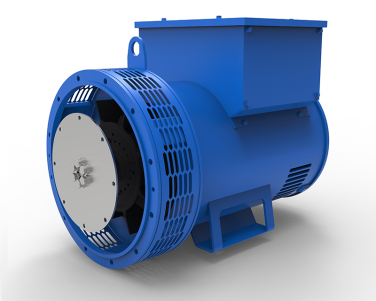
A generator normally consists of two primary components: the mechanical engine and the electrical alternator. While routine mechanical servicing is critical, preserving the integrity of the electrical conversion hardware is also an important aspect of overall system maintenance. Prioritizing the alternator component during both procurement and maintenance phases helps support the reliability of the power plant’s electrical system.
Understanding the Electrical Core of the Power Unit
Effective maintenance protocols require a comprehensive understanding of how specific components dictate overall system reliability. For engineering, procurement, and construction (EPC) contractors, acknowledging that the alternator serves as the crucial heart of the system is the first step in long-term care. This highly specialized component directly converts rotational energy into the stable electricity required by demanding industrial facilities and commercial buildings.
Unlike entities that assemble complete power units, specialized engineering partners focus exclusively on manufacturing the alternator component itself. By dedicating their entire operation to this specific electrical hardware, these manufacturers refine their production processes to meet stringent international standards. Sourcing from a dedicated industrial alternator supplier effectively removes the operational inconsistencies associated with generic parts.
When the electrical foundation is specifically engineered for power generation applications, routine maintenance becomes highly predictable. Engineers and facility technicians can rely on the unit to perform securely under continuous, heavy industrial loads without unexpected voltage drops or sudden thermal instability over long periods.
Securing Reliability Through Premium Raw Materials
The most effective maintenance strategy begins long before the equipment is ever deployed on the job site. It starts during the initial procurement phase with the strict requirement for high-grade manufacturing inputs. Continuous electrical generation naturally subjects internal components to immense operational stress, especially in emergency power systems, expansive data centers, or offshore marine platforms.
Professional alternator manufacturers address these demanding realities by refusing to compromise on their supply chain. By focusing strictly on premium raw materials, these dedicated engineering brands ensure their wide product ranges can withstand relentless industrial environments. This rigorous approach to material selection directly translates to stable power output and a significantly longer service life.
From a maintenance perspective, deploying hardware built with premium raw materials drastically reduces the frequency of emergency interventions. Facility operators spend considerably less time troubleshooting sudden electrical breakdowns and more time focusing on standard, scheduled evaluations, thereby protecting both their personnel and their capital investments.
Facilitating Easy Inspection with Compact Structure Design
The physical layout of massive power generation units directly impacts how safely and efficiently technicians can perform routine inspections. Spatial constraints within commercial buildings or highly restricted generator enclosures often complicate basic servicing procedures. When global generator builders integrate an industrial 45 kva generator system, the seamless mechanical pairing of the engine and the alternator is critical.
Opting for electrical components that feature a highly compact structure design significantly mitigates these mechanical and spatial risks. A streamlined physical footprint inherently reduces the overall installation space required for the final generator enclosure. This structural efficiency translates directly to lower installation costs and fewer logistical hurdles during the initial deployment phase.
More importantly for long-term care, a compact structure allows maintenance personnel safer, unobstructed access to the power generation unit. Technicians can conduct routine diagnostic checks and regular servicing without navigating overly cramped, potentially hazardous enclosures, inherently elevating the overall safety of the industrial power plant.
Enhancing Lifecycle Management Through Independent R&D
Securing long-term operational safety and minimizing maintenance headaches requires partnering with an independent R&D brand that actively prioritizes technological advancement. Access to a deep portfolio of technical innovations provides global generator manufacturers with a distinct, measurable advantage. For instance, holding 45 national industrial design patents clearly demonstrates a long-term commitment to advancing electrical efficiency.
These patented industrial designs translate directly into safer, highly reliable power conversion tailored specifically for heavy industry. Relying on meticulously researched engineering ensures that whether a project utilizes low voltage, high voltage, or marine alternators, the component operates precisely as intended. This hyper-focused expertise removes costly guesswork from the facility maintenance equation.
Predictable supply chains further enhance the overall lifecycle management of these critical assets. Partnering with an alternator supplier that maintains stable production capacity ensures that any necessary highly engineered components are ready precisely when needed. Fast delivery entirely prevents rushed, potentially hazardous delays, allowing facility operations to commence and continue safely.
Protecting Industrial Investments with Dependable Support
The ultimate measure of a secure industrial power architecture is its proven ability to perform reliably over years of demanding use. Post-installation technical support serves as an essential safety net for heavy-duty facility operators. Deploying equipment backed by robust coverage provides the financial security necessary for managing complex power systems.
A standard two-year warranty explicitly demonstrates the manufacturer’s absolute confidence in their engineered designs and raw material choices. This 24-month warranty coverage period ensures that EPC contractors and global generator builders can construct power infrastructures fully capable of withstanding industrial realities without fearing catastrophic financial losses from premature hardware failure.
The most effective way to care for large-scale power infrastructure is to start with an uncompromising electrical foundation. By strictly prioritizing premium raw materials, compact structure design, and robust warranty protection, procurement teams actively secure their long-term operational goals. Sourcing specialized electrical hardware from a proven brand like EvoTec Power helps provide a reliable and manageable power supply for global heavy industry applications.
