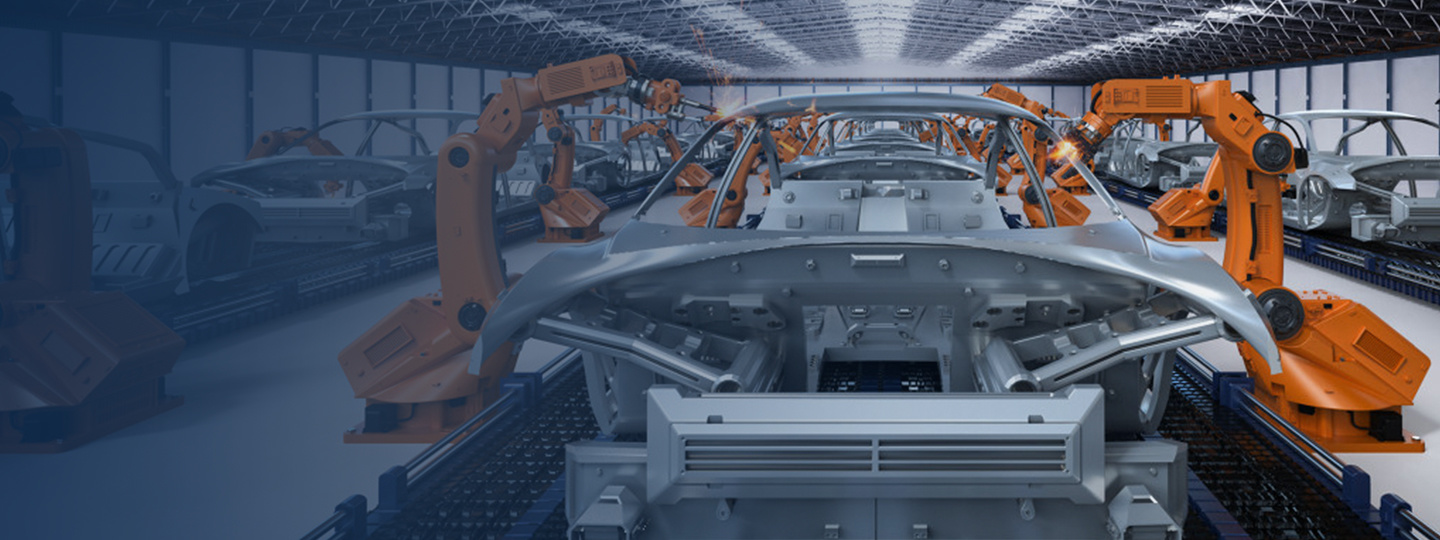
Automotive production requires thousands of joints to meet consistent strength, dimensional, and appearance requirements. Yet variations in material thickness, electrode condition, machine settings, and operator procedures can create defects that are difficult to detect through visual inspection alone.
Automated welding solutions help manufacturers address these challenges by standardizing process parameters, coordinating equipment, and improving repeatability across production cycles. Their value lies not simply in reducing manual work, but in making welding operations more predictable, traceable, and adaptable to changing vehicle designs.
Inconsistent Weld Quality Across Production Runs
Small changes in welding current, electrode pressure, or weld duration can affect the quality of a joint. In high-volume automotive factories, these variations may accumulate across multiple stations, resulting in inconsistent weld strength, surface marks, or rework. Standardized control settings help reduce variation and make process deviations easier to investigate.
To address certain forms of process variation, manufacturers can also explore adaptive resistance welding control, which uses feedback-based adjustments in compatible systems to help maintain more stable welding conditions.
Material differences introduce another challenge. Steel and aluminum have different electrical and thermal properties, so the same welding parameters cannot be applied indiscriminately to both materials. Engineers must account for sheet thickness, surface condition, joint geometry, and electrode design when developing suitable welding procedures.
Well-designed resistance welding applications combine appropriate control settings with regular inspection and process validation. Monitoring current and voltage, reviewing welding records, and checking electrode wear can help identify changes before they affect a large batch. These measures support more consistent production without assuming that automation alone can prevent every defect.
Production Bottlenecks and Repetitive Manual Tasks
Manual welding operations may struggle to maintain the required pace when production volumes rise or product designs become more complex. Operators must position components accurately, follow established procedures, and repeat the same movements throughout a shift. Differences in experience and fatigue can contribute to cycle-time variation and inconsistent results.
Automated equipment can coordinate welding sequences with material handling, positioning systems, and production-line controls. Repeatable movements reduce dependence on manual timing, while programmed sequences help maintain consistent operation across shifts. However, the actual productivity improvement depends on cycle time, equipment availability, fixture design, and the balance between individual stations.
Manufacturers should also consider changeover requirements. Automotive factories may produce several body styles or component variants on the same line, making flexible fixtures and adjustable welding programs valuable. Before investing in automation, production engineers should identify the stations causing the greatest delays and determine whether welding time, component positioning, or downstream handling creates the main bottleneck.
Difficulty Joining Steel and Aluminum Body Components
Modern vehicle structures may combine different grades of steel, aluminum panels, and other materials to balance strength, weight, and manufacturing cost. Each material presents specific joining challenges, including differences in conductivity, heat transfer, surface behavior, and mechanical properties. The welding method must suit the material combination and the required joint performance.
Resistance spot welding remains common in automotive body assembly because it can join overlapping metal sheets through localized heat generated by electrical resistance. Projection welding serves different purposes, including joining nuts, bolts, and terminals where concentrated contact points help establish the weld. Process development must account for component geometry, electrode access, and the intended service conditions of the joint.
For vehicle-body production, Sunke provides customized resistance welding controllers and transformers designed around different automotive manufacturing requirements, including steel and aluminum welding applications. This equipment can be evaluated according to the required current output and control configuration. The final setup should be validated against the specific material combination and joint design, since not every steel-aluminum assembly is suitable for conventional resistance welding.
Limited Process Visibility and Difficult Maintenance
A welding station can continue operating even as electrode wear, loose connections, or changing contact conditions affect joint consistency. Without useful process records, maintenance teams may discover the problem only after inspection failures or customer complaints occur. Monitoring electrical signals and tracking abnormal cycles provide earlier evidence that an operating condition may have changed.
Data becomes more useful when it is connected to a specific machine, product, or production batch. Historical records allow engineers to compare current behavior with previously validated conditions and identify recurring patterns. Alarm thresholds should be based on application-specific testing, as overly sensitive settings can create unnecessary interruptions while excessively broad limits may overlook important deviations.
The benefits of automated welding solutions extend beyond the welding cycle when equipment data supports maintenance planning and quality analysis. Engineers can combine monitoring records with electrode replacement logs, inspection results, and production downtime reports to investigate recurring faults. This approach helps distinguish equipment deterioration from material variation or incorrect setup, making corrective action more targeted.
Conclusion
Automation can address inconsistent joints, repetitive production tasks, difficult material combinations, and limited process visibility, but successful implementation begins with identifying the actual source of each problem. Manufacturers should evaluate cycle requirements, material compatibility, maintenance resources, and quality validation before selecting equipment.
Carefully configured resistance welding applications can improve repeatability while preserving the flexibility needed for changing vehicle designs. By assessing technical requirements against real production conditions, automotive manufacturers can develop a welding process that supports stable output, practical maintenance, and dependable joint performance.
